


Tales From The River…

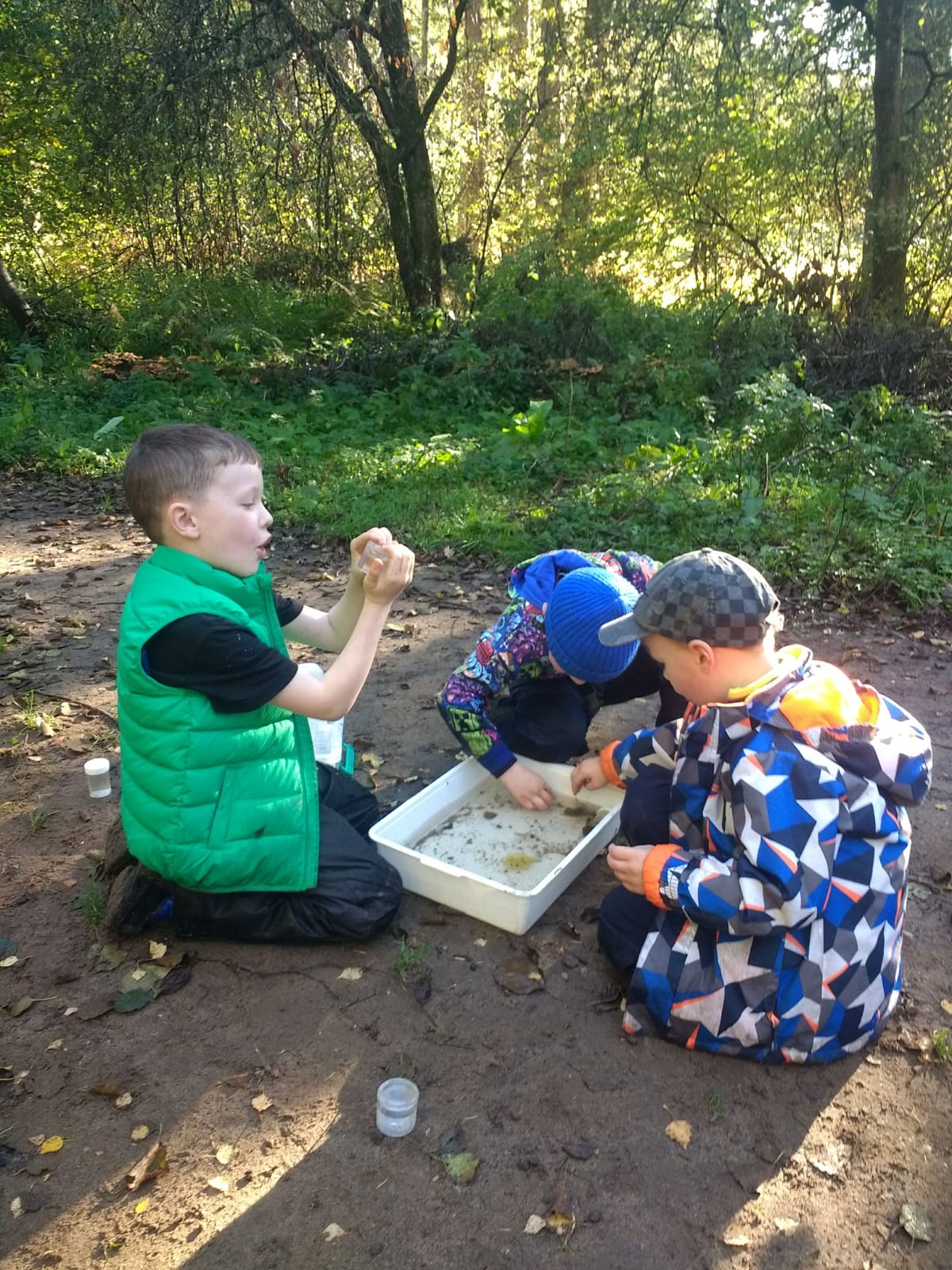
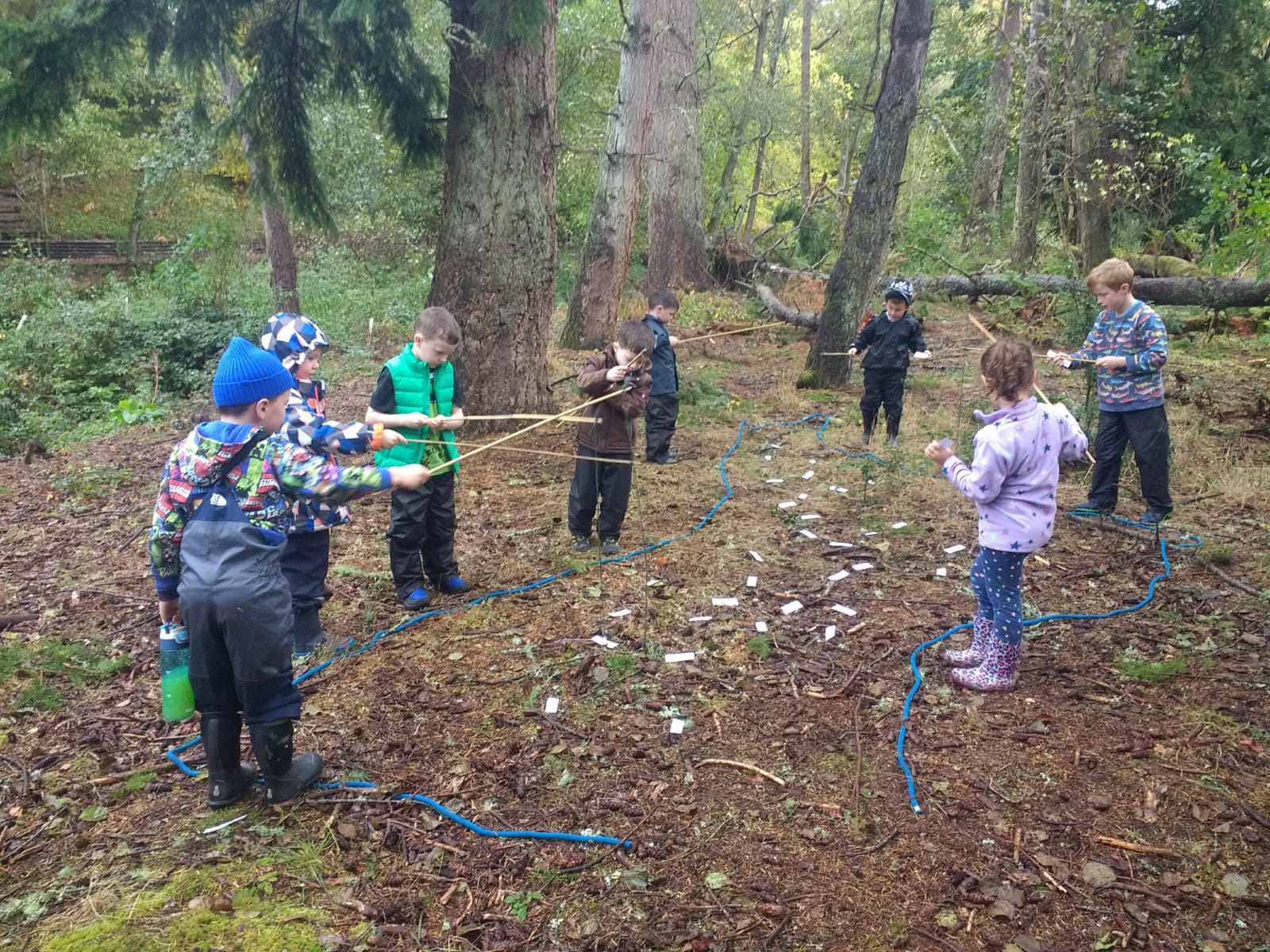
The Rivers Holiday Club saw us diving into the fascinating world of our waterways – learning, exploring, and, of course, getting a little bit muddy along the way.
The children discovered how the water cycle keeps our rivers flowing – from clouds to rainfall, streams to the sea, and back again. We also explored the incredible journey of the salmon, learning how these amazing fish travel thousands of miles before returning to the very rivers where they were born.
To bring the science to life, everyone had the chance to build their own mini rivers, shaping channels and banks to see how water behaves as it flows, floods, and finds its way. The highlight for many was kick-sampling (see more about kick -sampling below) in the real river – searching for tiny freshwater invertebrates that tell us how healthy the water is.
“There’s nothing like seeing young people learning with their hands and hearts — connecting with the natural world and discovering how everything in our rivers is linked,” said Fieldwork Manager, Paul Kendall.
It was a week full of curiosity, teamwork, and splashing fun – a perfect mix of outdoor adventure and real-world learning.
Kick sampling is a simple but clever river survey technique used by ecologists and educators to find out what tiny creatures (invertebrates) live in a stream or riverbed — and, by extension, how healthy the water is.
Here’s how it works:
How Kick Sampling Works
-
Find a shallow part of the river — ideally with pebbles, gravel, or plants where invertebrates like to live.
-
Hold a fine-mesh net (like a pond net) just downstream, so the flow of water goes into it.
-
“Kick” or shuffle your feet gently along the riverbed for about 30 seconds.
-
This stirs up mud, stones, and leaf litter.
-
Tiny creatures hiding under rocks or in sediment get swept into the net by the current.
-
-
Lift the net out carefully and empty it into a tray of river water.
-
Observe what you’ve caught!
-
You might find mayfly nymphs, caddisfly larvae, freshwater shrimps, or snails.
-
Some species are very sensitive to pollution, so their presence shows clean, healthy water.
-
Why It’s So Useful
-
It’s a quick, low-cost way to check river health.
-
It helps children and volunteers learn about biodiversity and ecology hands-on.
-
It supports long-term citizen science projects that track water quality.
Read up on our other news

Our new CEO – Holly Willmott
We are delighted to announce the appointment of Holly Willmott as our new Chief Executive Officer, marking an exciting new chapter as we prepare to celebrate our 25th anniversary. Holly,…
Read More
Our little explorers
A single piece of tree bark can be home to an entire miniature world! Tiny creatures such as beetles, spiders, woodlice, centipedes, springtails and even microscopic mites all use the…
Read More
The Hidden Worlds
Our amazing searchers found all sorts of fantastic things at the Hidden Worlds holiday club… we were looking for invertebrates, exploring with UV torches and kick sampling for invertebrates in…
Read More
READ MORE ABOUT WILD THINGS



We're grateful to all our funders


